
How to Save Money on Vacation Meals While Travelling
Our practical method for eating on a budget while travelling: carry suitable food from home, use supermarkets and kitchen facilities, and choose the local meals that matter most.
How can you spend less on food while travelling?
Set a daily food limit before the trip, bring permitted shelf-stable items, choose accommodation with a kettle or kitchen and buy fresh basics locally. We usually reserve paid meals for something distinctive rather than buying every breakfast, coffee and snack outside.
- Check destination customs rules before packing food.
- Carry sealed, clearly labelled items where required.
- Budget separately for water, coffee, fruit and vegetables.
- Never describe food as “free”: include what it cost at home in the trip total.
On several of our cheapest trips, food was one of the easiest costs to control. Instead of buying every breakfast, coffee, snack and lunch after arrival, we carried food from home and used local spending for experiences that mattered more to us.
Where this worked for us
We used this strategy in London, the Lake District, the NC500 and Paris. On the Paris trip we even carried instant coffee mix, which meant we did not need to buy café drinks simply because we were tired or in a hurry.
What we usually carry
We focus on compact, easy-to-carry food that does not need complicated preparation: snacks, simple meal components and drinks or coffee we already know we will use.
When it makes the biggest difference
It works best on short trips, road trips and itineraries where you are moving between sights rather than sitting down for long restaurant meals. It is less useful if local food is one of the main reasons for the trip.
Our rule
We do not avoid all spending on food. We simply do not pay for food by default when carrying something ourselves gives us the same value.
 Paris in 2 Days for About £120
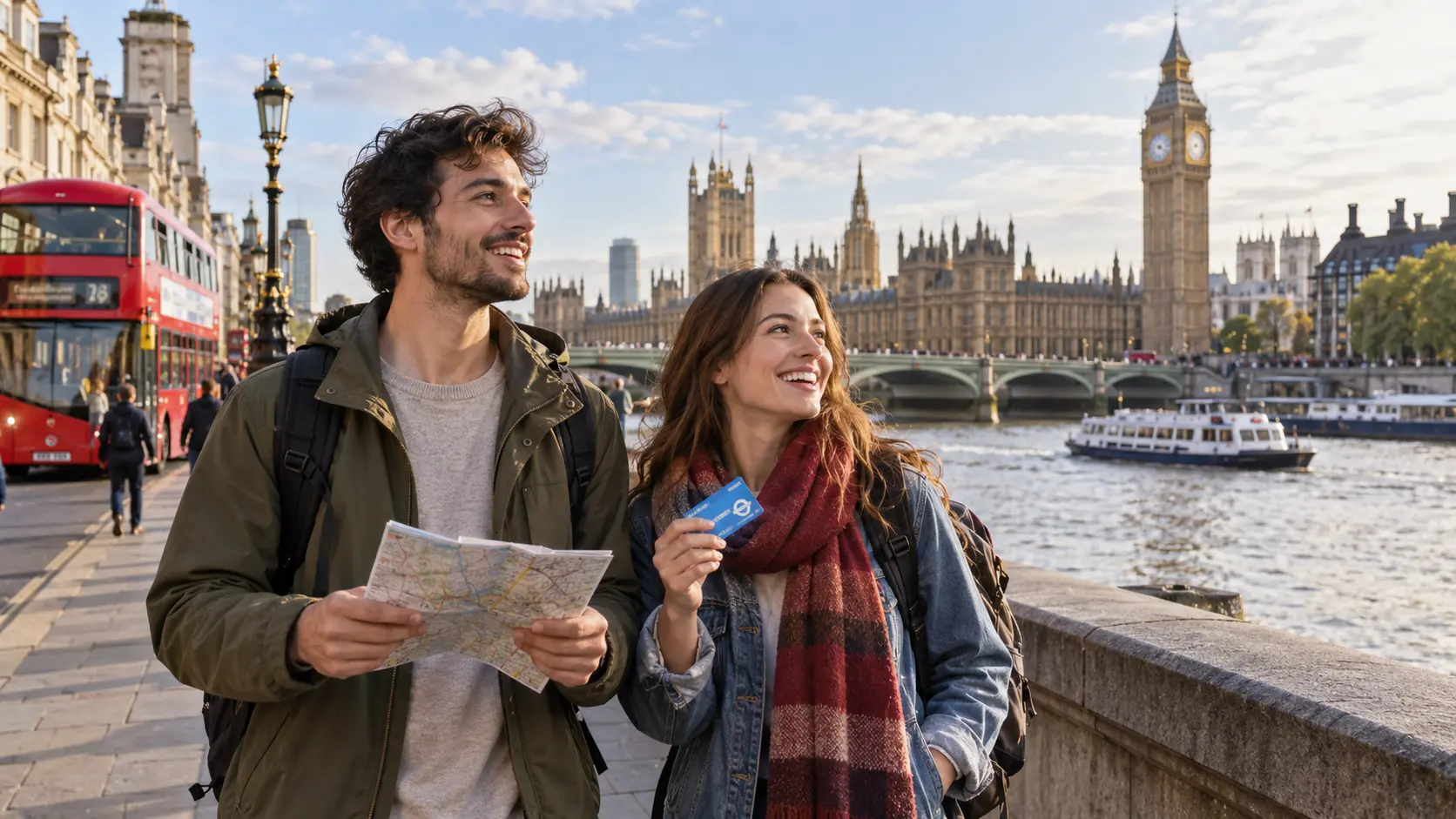 London in 3 Days Under £200